

The Ultimate Guide to Self-Playtesting
Self-playtesting is your secret weapon. Here’s why it's non-negotiable.

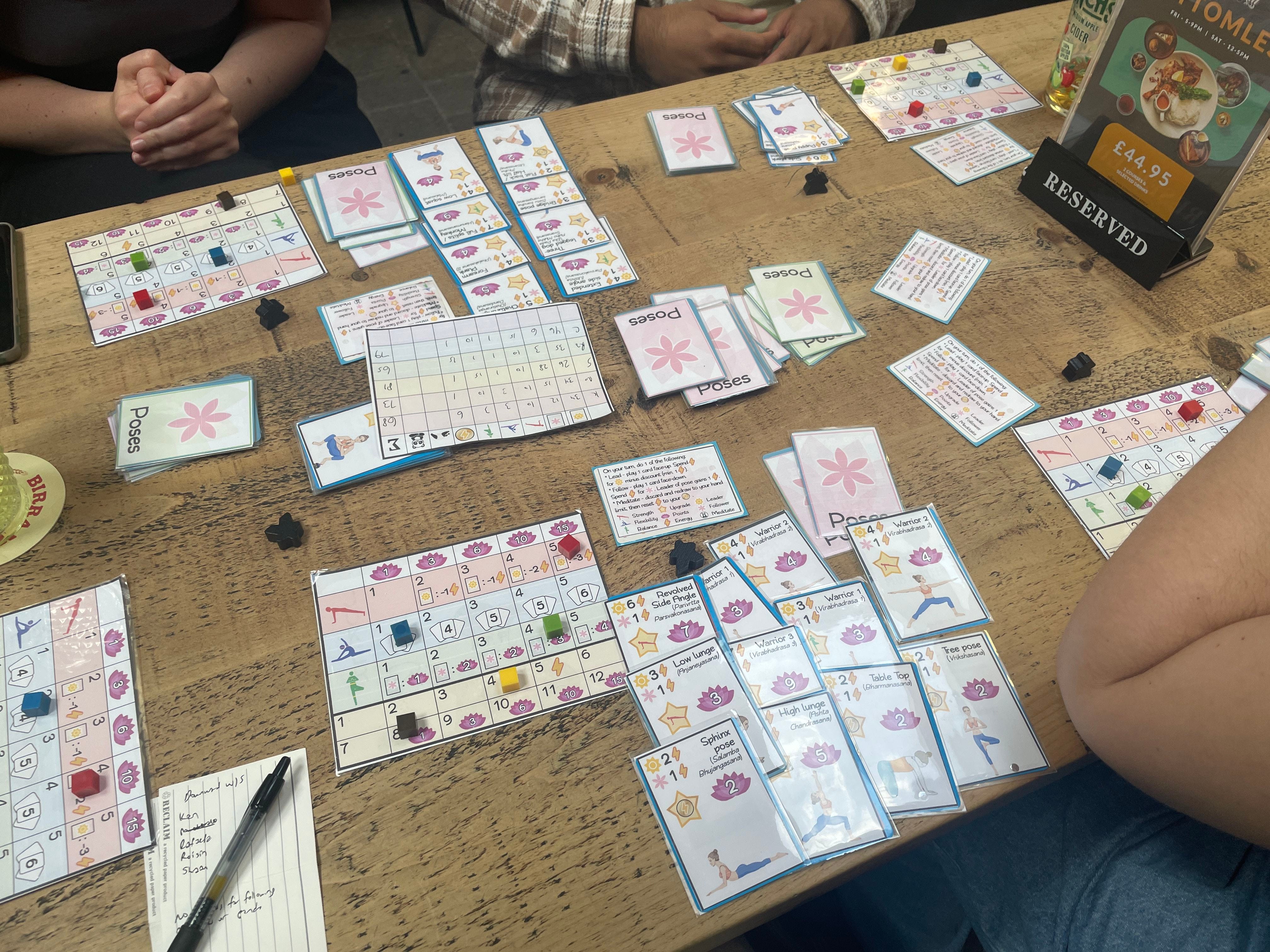
Let's set the scene. You've rushed to get a prototype together for tonight's playtest night with your local game group. You're excited because it's the first playtest of this idea / early concept. You begin unpacking it, setting it up, you get a few minutes in, and…
The game breaks. Badly.
Ugh.
You didn't get far enough into the game to get to the clever parts, and it's kind of hard for playtesters to give feedback when they only saw half a turn… Maybe you can do a quick fix or retcon, but it can be hard to recover from that.
Time to pack it up. Iterate and come back next week, I guess.
A shoutout and big thanks to fellow game designer Pam Walls for the chance to talk about Tabletop Publishers, Virtual Playtesting, Puzzlerun, and other projects I’m working on:
How did this happen?
It's an unfortunate reality, and it's definitely happened to me as well. After a couple of epic failures early on, I resolved to come correct and make the most of every playtesting opportunity I had. I started to treat playtesting opportunities as a thing to prepare for to avoid wasting playtesters time and missing the opportunity to learn as much as I could.
Let's start over
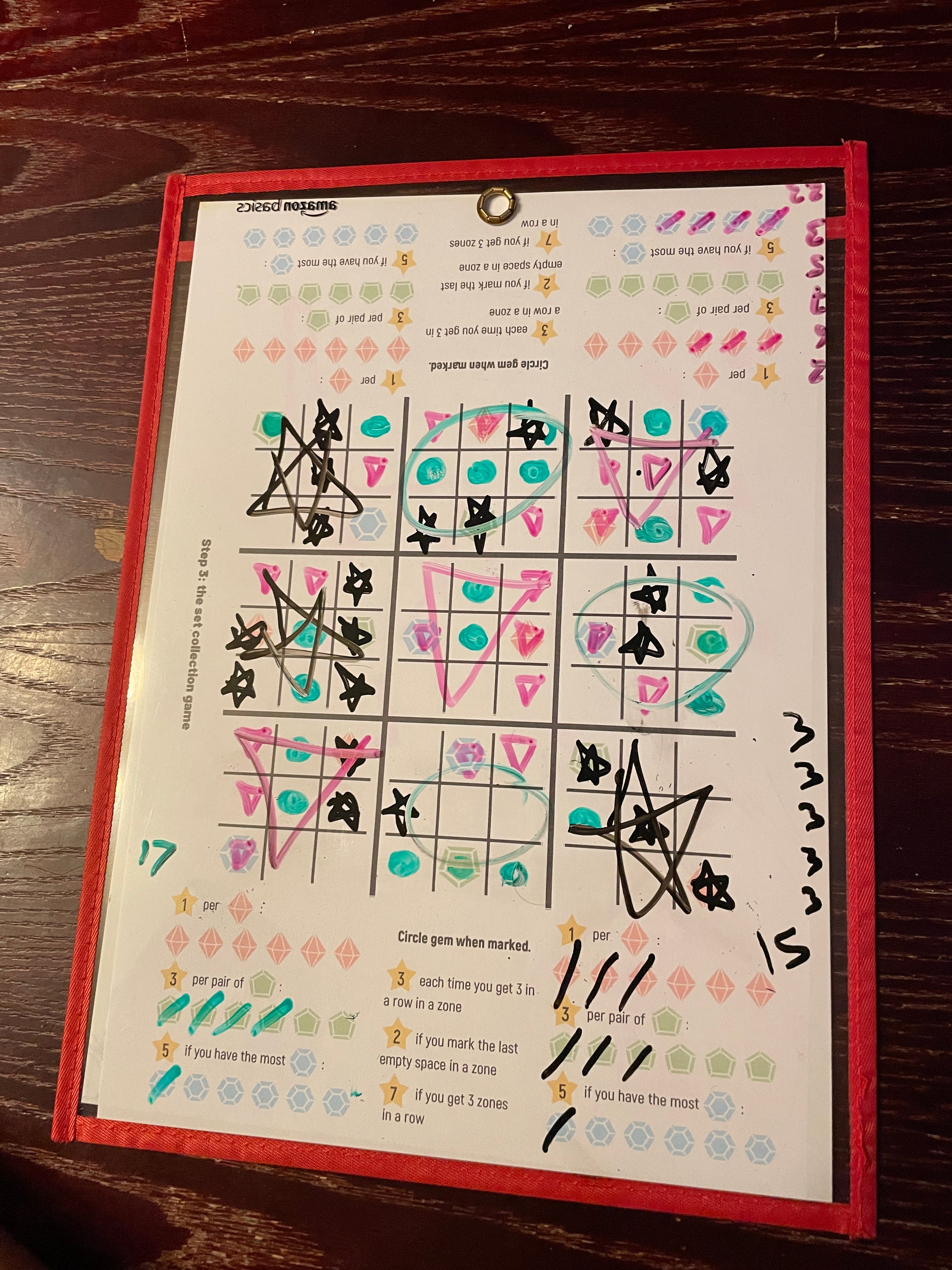
Whether the game you’re working on is your first or your hundredth, they’ve all started from a spark of an idea. Maybe it’s a single mechanism, a theme you can't get out of your head, or a solution to a problem you saw in another game. That spark grew into notes, then a table full of hastily-scrawled index cards, borrowed meeples, and dice from a dozen other boxes.
You’ve taken it from ‘idea’ to ‘rough prototype’. It's messy, probably handwritten or very basically done… but it's a start. In my book about playtesting best practices, I call this the Minimum Viable Game, or MVG.
Yes, I know - you’re probably feeling eager to get your game in front of other people, and yes, their feedback will be helpful down the line. However, skipping the self-playtesting phase is like asking an editor to review a first draft full of typos and half-finished sentences. You're not respecting your playtesters time, and you're not getting the feedback you actually need. Worse, if the game breaks, it will probably be awhile until you can get it to the table again.
Before you rush to schedule a game night and subject your friends to Yet Another Prototype, it's time to self-playtest - you vs. you, iterating rapidly whenever something needs changing. It’s the first, most critical filter for an idea. Done well, it's an easy way to save time, help you catch the more obvious issues, and make it more likely that you play enough of the game to get excellent feedback.
How to run a self-playtest session
Step 1: Set the stage. Get your prototype ready. Don't worry about art or graphic design. Handwritten cards can easily be sleeved with Magic commons (if you want). Clear off the dining room table or a big part of your desk, then close the door behind you.
Step 2: Figure out the question you want to answer: For your very first playtests, we're just trying to figure out if the core loop works, or if the systems you've designed play nice with each other. Later on, after we've iterated a few times, you'll probably have a more defined sort of question - write it out at the top of your notes.
Step 3: Talk out loud as you play. This is partially why you close the door behind you. Play through each turn out loud. No one else has to hear you do this, and it helps to get you thinking about the game state from a specific player's perspective. I'll talk more about how to create some personas later, but for right now, just get used to talking out loud as you playtest.
Step 4: Write it all down. At a minimum, note:
The number of players
What worked and what didn't work
What question this playtest aimed to answer, and the answer(s) to it
How many rounds you play, or how many turns each player takes
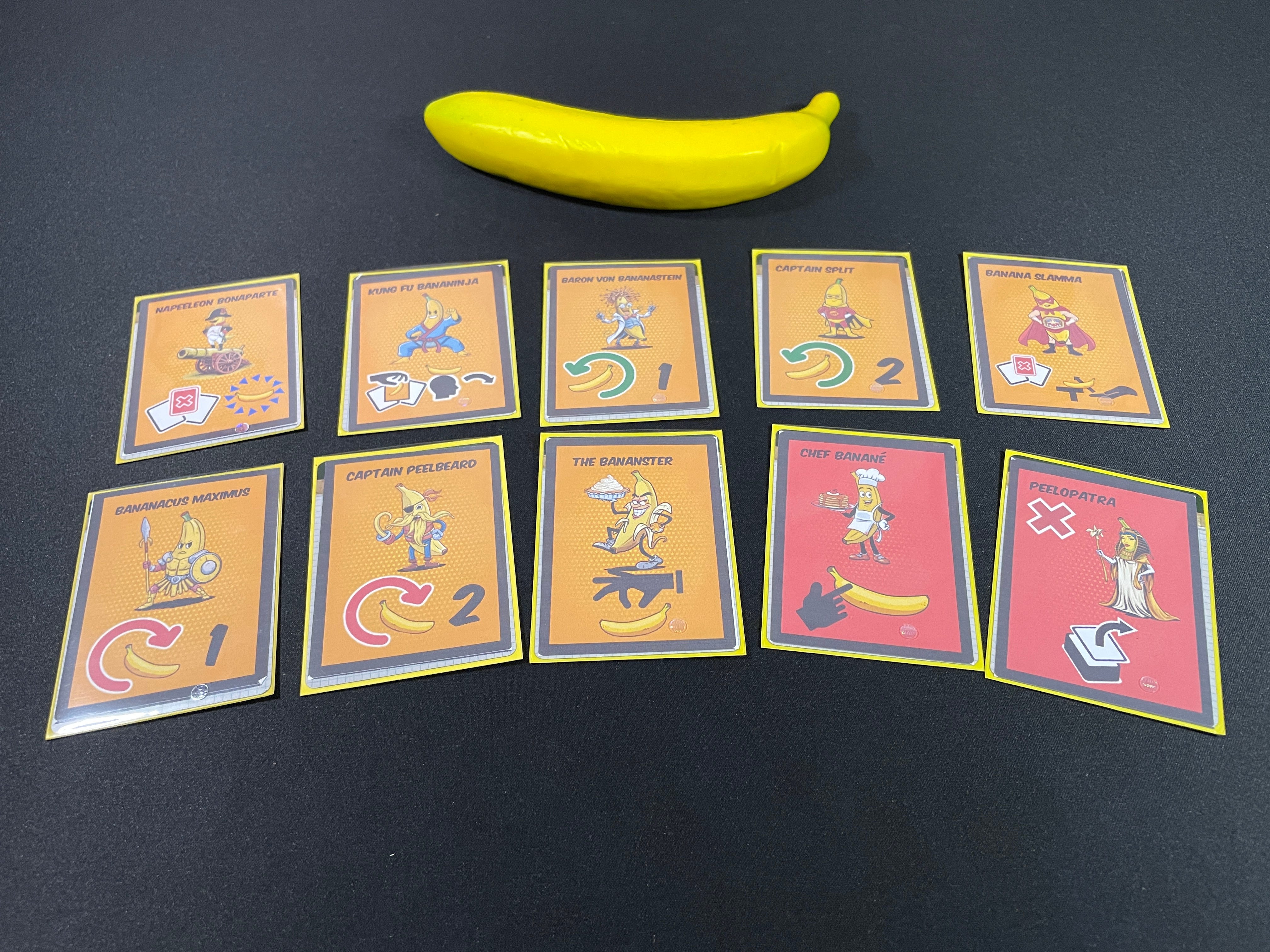
For posterity, it might be fun to take some photos of the game. Whether you want to analyze the game state later on, or just look back at how rough used to be a year or two from now, you've got to take the pictures in order to have them.
Your game will break…
…or things just won't go as planned. It's like the first time you ride a bike or try making something without a recipe. It happens to everyone. Learn, iterate, then try again.
During your very first playtests, try to focus on playing the core loop, or some segment of it. What will players be doing on their turn? Is play turn-based or simultaneous? Where do the pieces, cards, tiles, or boards need to be placed? What do you need to do to take your turn? Inevitably something will break, be overpowered, or underpowered. You might need more resources, more cards, a bigger board, or other changes. Make some changes, add (or remove) some things, and try again.
If it's feeling overwhelming to test the game as a whole, remember the old saying about how you eat an elephant: one bite at a time. It might be worth testing each system in your game on its own, like a module that's independent of the game's other system. The movement system is one module, the combat system is another module, and so on. Think of each module like a Lego block that can be attached in a few different ways, or removed completely to make room for another block. These tests focus just on that module's specific element, so when you've tested each module individually, you can focus on putting them together and seeing what happens.
You probably won't get very far on the first few iterations of your MVG, and that's fine. These very early versions of the game can break or bend in a lot of different ways. No one else will need to see the game at this stage, so there's nothing to feel embarrassed about. This sort of work is akin to a pianist practicing their fingering or a flutist practicing their scales. It's the work you do when no one is looking that helps to define the game that other people see.
While you're self-playtesting this MVG, you don't need to know how the game will end, if things are balanced, or if the thing can even be manufactured. You can safely test parts of the game while acknowledging that the other elements haven't been designed yet.
Each self-playtest of your MVG teaches you something new, and there will probably be many hand-written changes. Don't hesitate to make a new card / token when needed, and give it time. Be open to all forms of change in these early tests - sometimes things go exactly as expected, while other times things go off the rails fast. Try to ride the wave - make some changes, take some notes, then try again. You might want to start the game over, but you also might be able to pick up where you stopped.
Other big benefits to self-playtesting
When you self-playtest, you control more of the variables. Playtesting with other people introduces a beautiful, chaotic storm of personalities, experience levels, moods, and unexpected interpretations. You'll need to see how resilient your game is to that storm, but early on, you just need to ensure the game survives to the end. Self-playtesting removes that chaos from the equation and focuses on how the systems you've created interact with each other.
When you're self-playtesting, you are the master of time and space. Take as long as you want to take notes, take a turn, or analyze things without worrying about boring your playtesters. You're able to iterate instantly, restart the game if need be, add or remove components, remake the board, and so on. This rapid iteration is the lifeblood of early-stage design.
When will my game be ready to graduate from self-playtesting?
You're ready for playtesting with other people when:
You can play an entire game, from setup to final scoring, without the game breaking or having to change a rule.
You know how the game will end, what happens afterward, how it's scored, and so on.
Enough of the rules are smoothed out to avoid ambiguities and confusing interactions.
Should I still self-playtest after I start playtesting with other people?
Yes, they can go hand-in-hand, and each type of playtesting has their pros and cons.
You can also guarantee you get the number of players you want to test, since you can play them all. When playtesting with others, you can always add yourself as a player (or step back), so you have some flexibility.
If you have a larger amount of time between playtests with other people (say a couple of weeks or more), you may find self-playtesting helps you keep the game fresh in your memory.
How to be everything, everywhere, all at once
The key to self-playtesting is to compartmentalize. You are playing the role of the omniscient designer taking notes and each of the individual players at the same time. It will feel strange at first, but it’s a skill you can develop.
Once you're satisfied the game works, it's time to try some different strategies out. Give each player a 'persona'. While these will naturally be different for each game, several archetypes are common:
Aggressive: Think 'Leroy Jenkins'. Press your luck. High risk, high reward.
Evil: Think 'take that!' Prioritize actions that directly hinder others or rush the end-game trigger. Can potentially be combined with Aggressive.
New player: Think 'simple' or 'obvious'. They won't know the advanced combos or strategies, after all.
One-trick pony: It's more of an extreme strategy, but imagine a player that does the same things or actions over and over again.
Opportunist: Think 'reactive' or 'careful observer'. This persona should be looking to take advantage of the things other players may have missed.
Strategist: Think 'long-term'. Take short-term losses or damage for the long-term gain.
Tactician: Think 'short term'. What's the best move for you right now? Don't worry about strategy or balanced
There are plenty of others, of course, and you'll want to pick the types of strategies that might work for your game.
What to ask yourself
Playtesting a game is different from playing a game. Make it a point to start with a specific question you're trying to answer, but more importantly, find the fun. Yes, things need to function and work, but it's surprisingly easy to engineer the fun parts out of a game.
The goal of self-playtesting isn't to create a perfectly balanced masterpiece. The goal is to create a playable experience. You're building a sturdy vessel so that when you invite other people aboard, you can focus on navigating the exciting waters of player interaction, not on plugging leaks in the hull.
Conclusion
A quote often attributed to General Norman Schwarzkopf comes to mind: "The more you sweat in peace, the less you bleed in war." To paraphrase it for game design, the more you self-playtest, the more effective your playtests can be with other players. It's a foundation for what's to come, and as a bonus makes you a better playtester of other people's games as well.
That was a great read. I never thought about player personas before, really cool. Thank you!
A good read, thank you! As roles for imaginary playtesters, I sometimes use my friends.