

Stop Using These 11 Themes In Your Game
So many new worlds to explore, so little time...

Some themes have been done to death. Here’s which ones, and what to do instead.
When you sit down to design a new game, you might have a theme in mind before you have a single mechanic. Other places to start: mechanic-first, component-first, limitation-first, even gimmick-first.
That’s not a problem.
Theme is a great starting point… but there are certain themes that have become stereotypical… they’re overused to a point that using them as your primary hook is almost a guarantee your game gets lost in the pile at conventions and on crowdfunding platforms.
Presenting some overdone themes, and what people like about them to try instead:
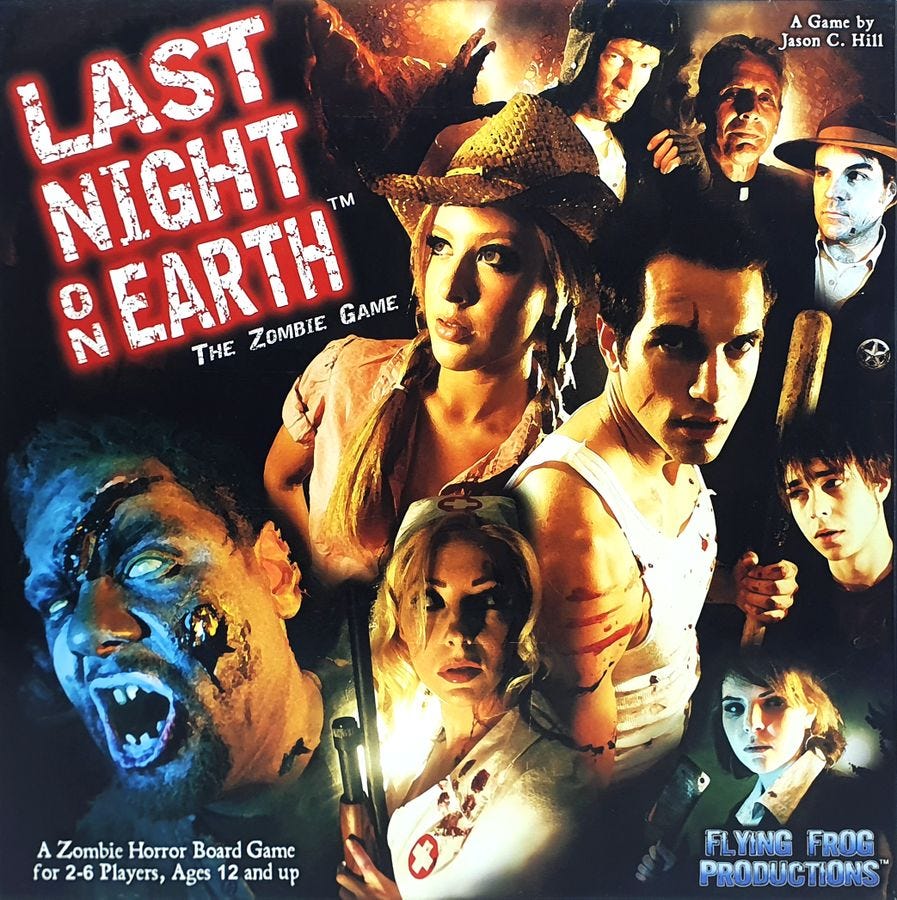
1. Zombies
We need to talk about zombies.
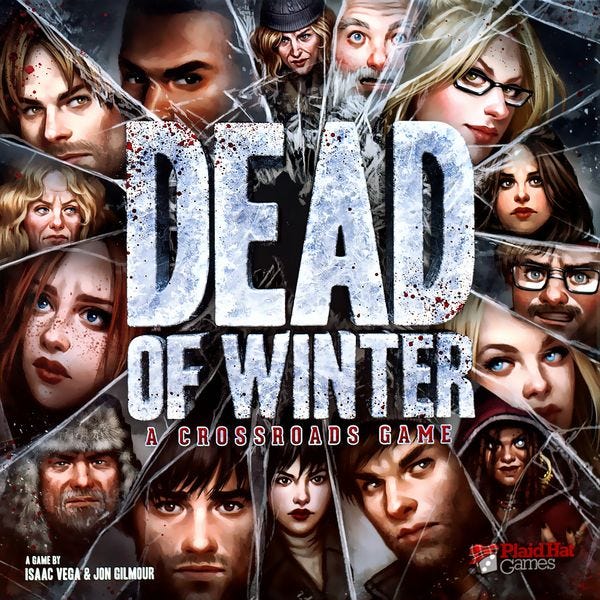
There was a time – roughly 2008 to 2015 – when zombie games felt fresh. Dead of Winter came out, Zombicide exploded on Kickstarter, and everyone wanted a piece of it. That time has passed, and players have more options in this space than they could ever play through. (Yes, some of them are out of print, hard to find, etc., and nostalgia will cause zombies to come back around.) Unless your zombie game has a genuinely new mechanical hook (‘co-op survival’ doesn’t count), move on.
What to do instead: The things players actually love about zombie games are tension, resource scarcity, and moral dilemmas – all of which can be done in the land of the living… or maybe the dead…
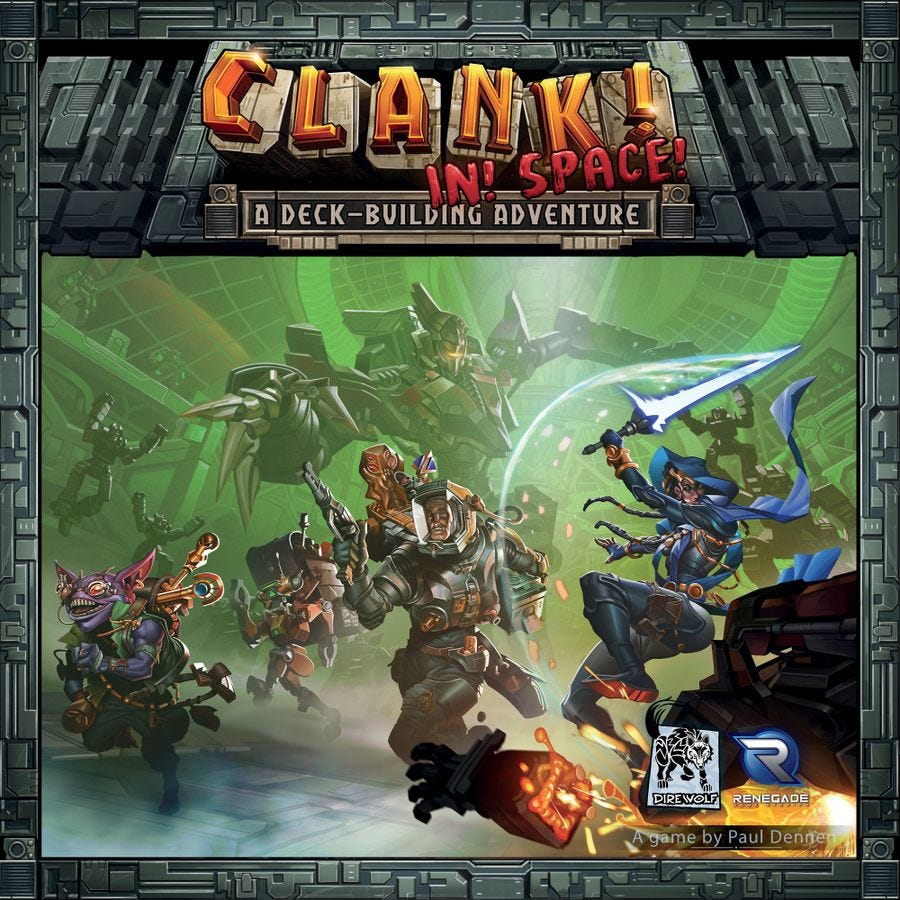
2. Spaaaace
Not all space games are guilty here. Space is enormous, and there’s a lot of design territory still left to explore. The problem is generic space – the kind where you’re building an empire, colonizing planets, and fighting alien races with vaguely Latin names. It’s been done so many times that it barely registers anymore.
Specific space settings, on the other hand, still have legs. A game about the politics of a single space station. A game about the economics of asteroid mining. Narrowing your scope makes it memorable.
What to do instead: Pick one specific aspect of space and go deep on it rather than wide. What is it about space that intrigues / fascinates you? A real getaway from it all, the economics of the future, aliens…?
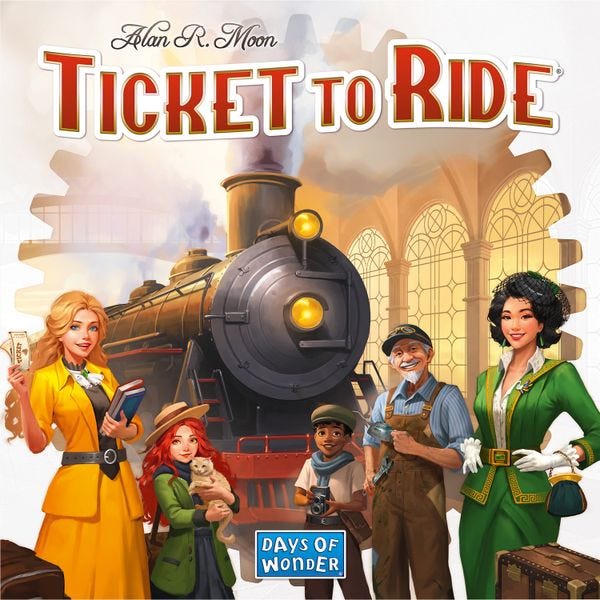
3. Trains
Look, I love Ticket to Ride. I really do. It’s earned plenty of accolades and been produced in dozens of editions. There’s a reason it has earned its place as one of the handful of modern classics everyone should play. Then there’s all the 18XX games… you could easily play a new train-themed game every day and not repeat a game for a very long time.
Trains are basically their own genre and have their own conventions and deeply devoted fan base… which is precisely why you should not casually slap a train theme onto your route-building game and expect it to stand out. The train gaming space became so crowded that it’s basically a rush-hour commute.
What to do instead: If your mechanics are route-building and network connection, consider whether a different setting could carry those same ideas more freshly.
4. Generic Medieval Fantasy
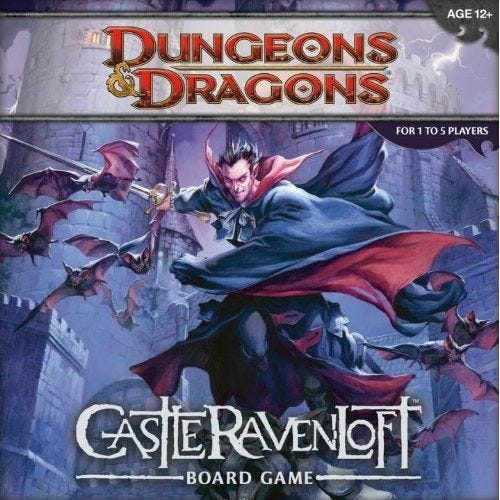
Swords. Wizards. Dragons. Taverns. An evil dark lord lurking somewhere off the board.
This is arguably the most common setting in all of board gaming, and arguably all of fiction. It is not inherently bad. But it is the path of least resistance, and publishers know it. If your pitch could describe fifty other games already on the shelf, it’s going to be a hard sell.
What to do instead: Borrow the structure of fantasy but shift the specific cultural lens. Mythology-based settings, folkloric traditions, or non-European historical inspirations offer a lot more differentiation.
5. Pirates
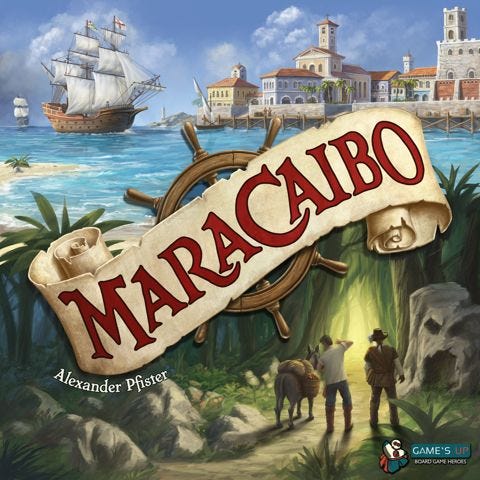
Pirates had a moment, largely thanks to a certain film franchise, and that moment has firmly ended. The fundamental problem is that pirate games tend to promise swashbuckling adventure and often deliver fairly dry resource management. The theme and the gameplay rarely match up, which makes players feel cheated regardless of how good the mechanics actually are.
What to do instead: players expect adventure, so give them some adventure! Whether this is press-your-luck / you versus the game, some take-that gameplay in pursuit of that treasure, or perhaps some backstabbing, those are things players have come to expect from pirates.
6. Vikings
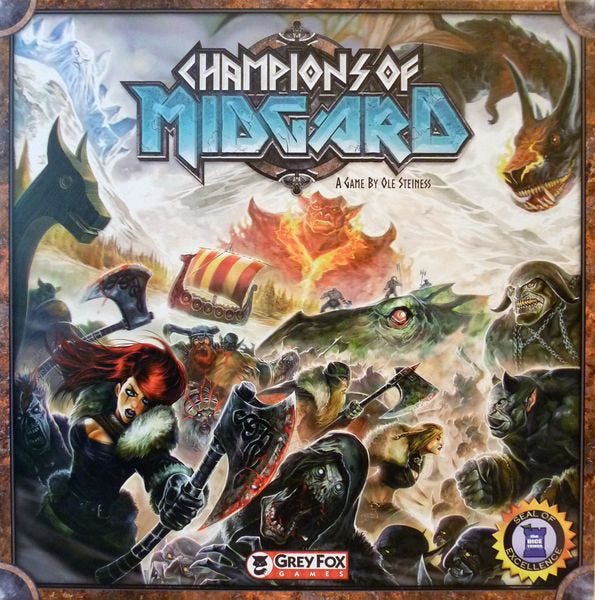
Vikings are basically pirates with slightly better PR. They’ve had their own wave, driven by television more than anything else. The theme has become shorthand for “aggressive worker placement game with a lot of grey and brown in the color palette.” You can do better (and yes, I say this even as Champions of Midgard remains one of my favorite hobby games).
What to do instead: I’m tempted to say ‘see pirates above’, but that’s just lazy writing. Instead, come back to the feelings / vibes. Pirates plunder (mostly) on sea, but vikings didn’t just plunder (mostly) on land. ‘Vikings’ as a historical reality and ‘vikings’ as a stereotype used in games has diverged even more than pirates have, so maybe it’s time to bring some of that historical context back in…? Failing that, creating aggressive gameplay can be done with plenty of different themes.
7. Lovecraftian Horror
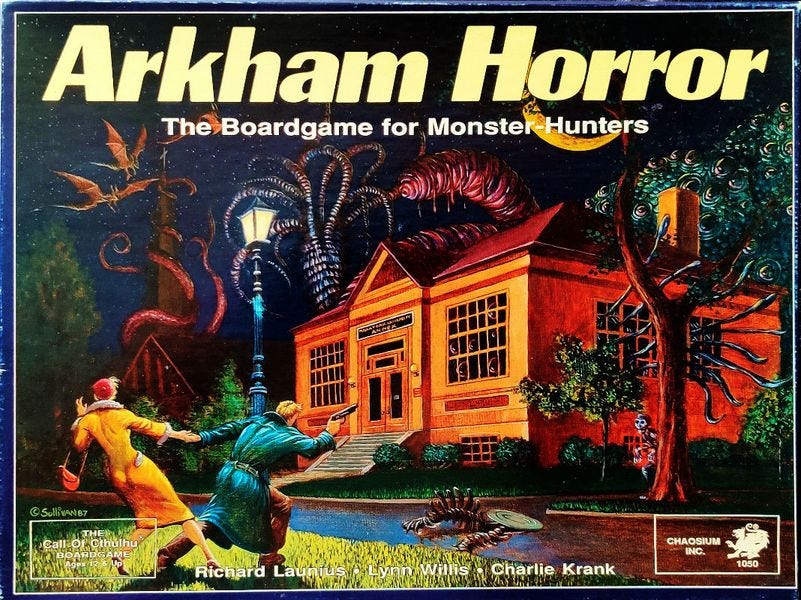
Here’s the uncomfortable truth: most Lovecraftian games don’t actually engage with what makes Lovecraft’s ideas interesting. They take the aesthetic – tentacles, sanity tracks, cults, ancient gods, etc. – and treat it as a skin rather than a source of genuine design inspiration. Arkham Horror exists. Eldritch Horror exists. This space is thoroughly occupied by well-resourced publishers with established licences.
What to do instead: If cosmic horror genuinely excites you, ask yourself what specifically about it you want players to feel. Design toward that feeling, not toward the IP.
8. Post-Apocalyptic Wasteland
Radioactive ruins, scavenging for resources, factions fighting over what’s left. This theme became enormously popular on the back of video game franchises and hasn’t lost its grip on designers even as it’s lost its grip on players. The market is saturated, the aesthetics are bleak, and it can be genuinely hard to make a post-apocalyptic game feel fun rather than depressing.
Sometimes ‘fun’ isn’t the point with a theme, though. Escapism comes in many forms, after all, and there are still chances to work together… or stab each other in the back through your radiation suit…
What to do instead: what emotions are you interested in eliciting? Deep dive time – fortunately for you, good reader, I’ve recently written about eliciting emotions in board games.
Beyond that, come back to my favorite e-word – experience – and ask what kind of experience you’d like players to have? Games set in a post-apocalyptic theme often force you to work together to make hard choices. If that’s where your mechanics are leading you, see what other themes come to mind.
9. Dungeon Crawl
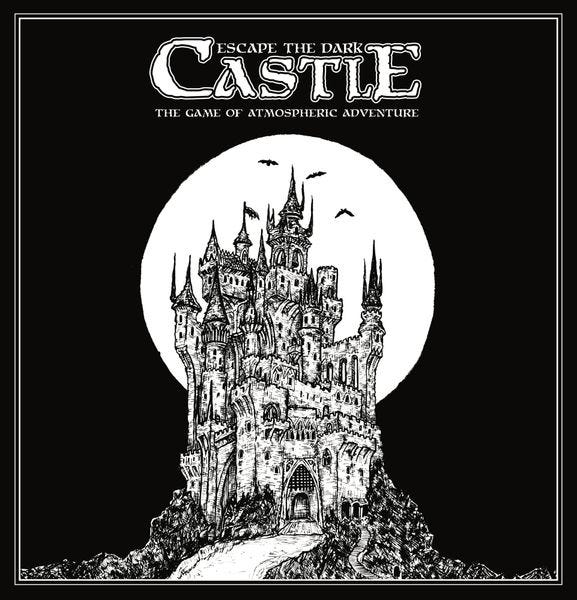
Dungeon crawlers occupy a strange space – they have an incredibly dedicated fanbase, but that fanbase already has more dungeon crawler games than they can play. Breaking into this genre as a new designer requires either a dramatically innovative mechanic or an already-established audience. Without one of those two things, the odds are against you.
To be sure, there’s a reason it’s endured as long as it has: it’s a simple setting where the ‘dungeon’ can be anything, so long as it’s a somewhat dangerous place you want to loot instead of escape.
What to do instead: brainstorm other places where ‘exploration’ and ‘battle’ can come into play. Tailor a place / time / theme around the percentages of ‘exploration’ and ‘battle’ there are in your mechanics.
10. Heist
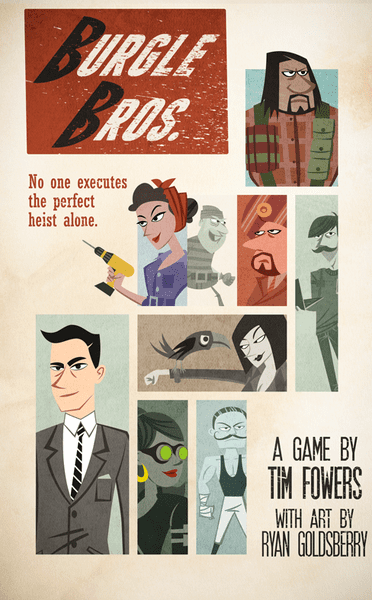
Heist games promise Ocean’s Eleven and frequently deliver a fairly fiddly co-op puzzle. The fantasy of the theme rarely survives contact with the tabletop. That said, it’s not impossible to do well – it just requires the mechanics to actually feel like a heist, rather than just being labelled as one.
What to do instead: think about whether you want to create a semi co-op game (one where you fear your fellow heisters may stab you in the back) or a pure co-op game (one where you’re all actually working together). The former is surprisingly hard to balance, while the latter doesn’t actually feel like a heist game.
11. Farming / Agriculture (Generic)
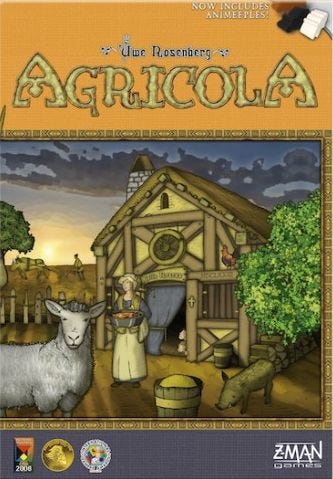
It’s all Agricola’s fault. It wasn’t the first farming game, but it helped to create a genre that has spawned a hundred imitators, all promising a warm pastoral experience and a crushing sense of never having quite enough grain. Cosy games are genuinely popular right now – but the farming wrapper specifically has become the new zombie.
What to do instead: The cosy, low-conflict experience players are craving doesn’t need a farm. Bakeries, bookshops, community gardens, small towns – all of these offer the same emotional register with considerably less competition.
So What Should You Do?
None of this means you can never use these themes. It means you need to earn them.
If you’re going to use one of these settings, you need a clear answer to the question: “Why does this game need to be set here, and not somewhere else?” If your answer is “I just like zombies” or “trains feel right for route-building” – that’s fair… but I’ll challenge you. It’s not enough. Publishers have heard it before.
The designers who break through with familiar themes do so because their theme and their mechanics are genuinely inseparable. Take a hard look at your game. If you could swap the theme for something fresher without losing anything essential, you probably should.
The good news? There are infinite settings still waiting to be explored. The best theme for your game might be one nobody has thought of yet.
Go find it.
Over to you
What are some overused themes you’ve seen in board games?
I agree with most of the points you have Chris especially the ones where the theme and the mechanics of the game are not aligned. That said i feel that many of the themes are not so much overdone as they are to similar to each other ticket to ride being its own example. Colt express on the other hand is also a train game and a lot of other genres you mentioned and it feels fresh in its own right. I feel that the point here is not so much don't use these themes but rather create something unique within theme as opposed to slapping a theme onto a generic resource management game.
That said the Rebel in me wants to take all the themes in the list and create a single game ;P
I know it is not a theme and please excuse me for this, but i can’t resist : enough with the amnesic avatars !