


Observe how a publisher sells themselves to the public.
As just one example, Thinkfun (a puzzle brand of Ravensburger) has recently launched meshhelps.org. MESH stands for Mental, Emotional, and Social Health - three things that all took a toll during the pandemic, especially for kids that were removed from their usual school routines.
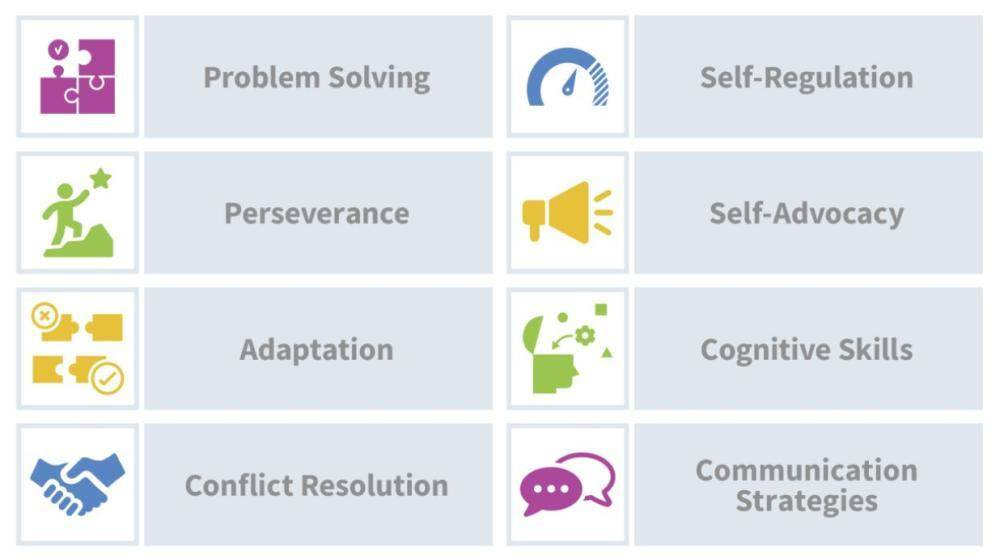
Through their public-facing website, they are quite clearly sharing their priorities - not just in game design or in product design, but in the style of play they want to create.
If you're going to pitch a company, look at the lens they are trying to be seen through. If they're taking a stand against violence, your hard-core zombie-killing game probably isn't going to be a fit.
Carefully research how publishers talk about their own games.
This is closely related, but a subtle difference is what comes to mind. See if there is a consistent way in which publishers describe their games. Do they start talking about the theme, mechanics, components, etc.? Do all of their games use the same size box, or do they sell for about the same price points?
If you're going to a convention, you might see their focus on specific titles or in specific ways.
When a publisher tells you their priorities, listen.
Play new published games
What's out, or what's coming out? The best way to keep your finger on the pulse of what's out now is to head to the conventions in your neck of the woods — and ideally, the ones where publishers are releasing new games for sale. For better or worse, these are usually some of the bigger ones around, since they'll get more foot traffic.
While I don't buy many new games, I definitely want to play or learn about them. While time might be limited at a convention, anything that catches my eye usually gets noted somewhere to research later on.
More importantly, I'm learning to understand how they're addressing the market, what sort of mechanics or themes are currently in vogue, and so on. To some extent, I'm trying to avoid chasing trends - any game I pitch today that happens to be similar to a current trend will likely feel behind the curve a few years from now when it actually comes out.
Playing recently published games is great for staying in touch with what's being made now.
Focus on the hook

The hook might be the theme. The hook might be the mechanics. The hook might be the components. It’s the thing that will make the game stand out from other games on the shelf.
I've started to put more thought into that hook - if I can't figure out what's going to make it a great game that stands out, it's going to be a tougher sort of pitch. I definitely want to lead with the hook whenever I can - then back it up with solid, well-playtested gameplay.
With so many games coming out, your game has to stand out in both the publisher's eyes and the player's eyes.
Add components to the game
Most designers are focused on cutting components, as if fewer components always makes for a better game.
It’s worth remembering that with few exceptions, games, almost invariably have components other than cards in them. The game might need to be engineered to work with cardboard tokens instead of plastic tokens, add reference cards, boards, or player boards instead of abstract diagrams. Some publishers will want to justify a retail price, the size of the box, and so on… and at least one publisher has told me there’s a very low margin in games that are just cards.
Make the best version of the game first, then worry about component counts later.
Playtest with typical players for the target market
Playtesting with designers is great, but unless they actively buy games like this, they’re going to be focusing on their designer opinion. Designers are great at giving feedback when it comes time to break games, but less great for market research.
Playtesting with typical players comes later in the process, and also tests your ability to teach the game well.
Playtesting with players is at least as important as playtesting with designers.
Playtest with kids
It's closely related to the previous point - and ideally not just with the precocious kids that love board games, but the ones that just want to play what their parents are playing.
This one’s pretty tough if you don’t have them yourself, or have trusted friends that can assist. Still, it’s worth making the effort to find kids if your game is a kids or a family sort of game. Your friendly local game store, board game cafe, or parents group may be able to help.
When asking for feedback, I've found it really helpful to make it obvious you're actively listening to what the kid(s) have to say. Make it obvious you're writing down their feedback (even if you'll never use it) - kids are surprisingly good at knowing when they're being listened to versus simply heard.
If kids make up part of the target market, do what you can to include them in playtesting.
Get to know publishers as people outside of official con times.
I've saved the trickiest one for last - if all has gone to plan, you've set up your appointments during the con, you know what to pitch them, you've practiced your pitches, and all that jazz.

Are they into pizza?
For all the seriousness and professionalism the board game industry tries to portray, it's still run by an incredibly small community of people. Getting to see what these people are like when the spotlight's off has been rewarding on a personal level. Don't approach it as a chance to sneak in a pitch or a playtest. It's a chance to listen, to engage, and to get to know someone that's just dropped a bunch of money on con supplies and needs a break from all things business.
If all goes to plan, designers and publishers will be working together for years, whether that's making a game, working on the expansions, new editions, and so on. There's plenty to be said about a solid working relationship, but this industry is full of fun-loving people too often asked to be serious and professional. Let your hair out a bit.
Enjoy the personal moments with the people you'd like to work with.